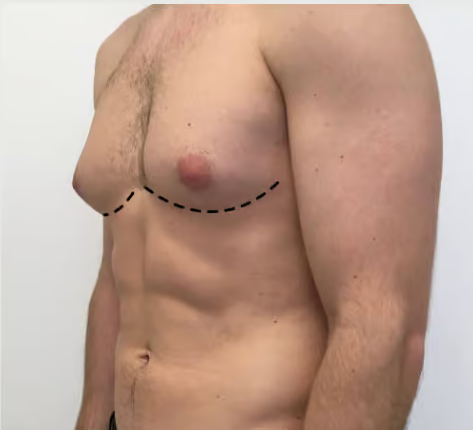
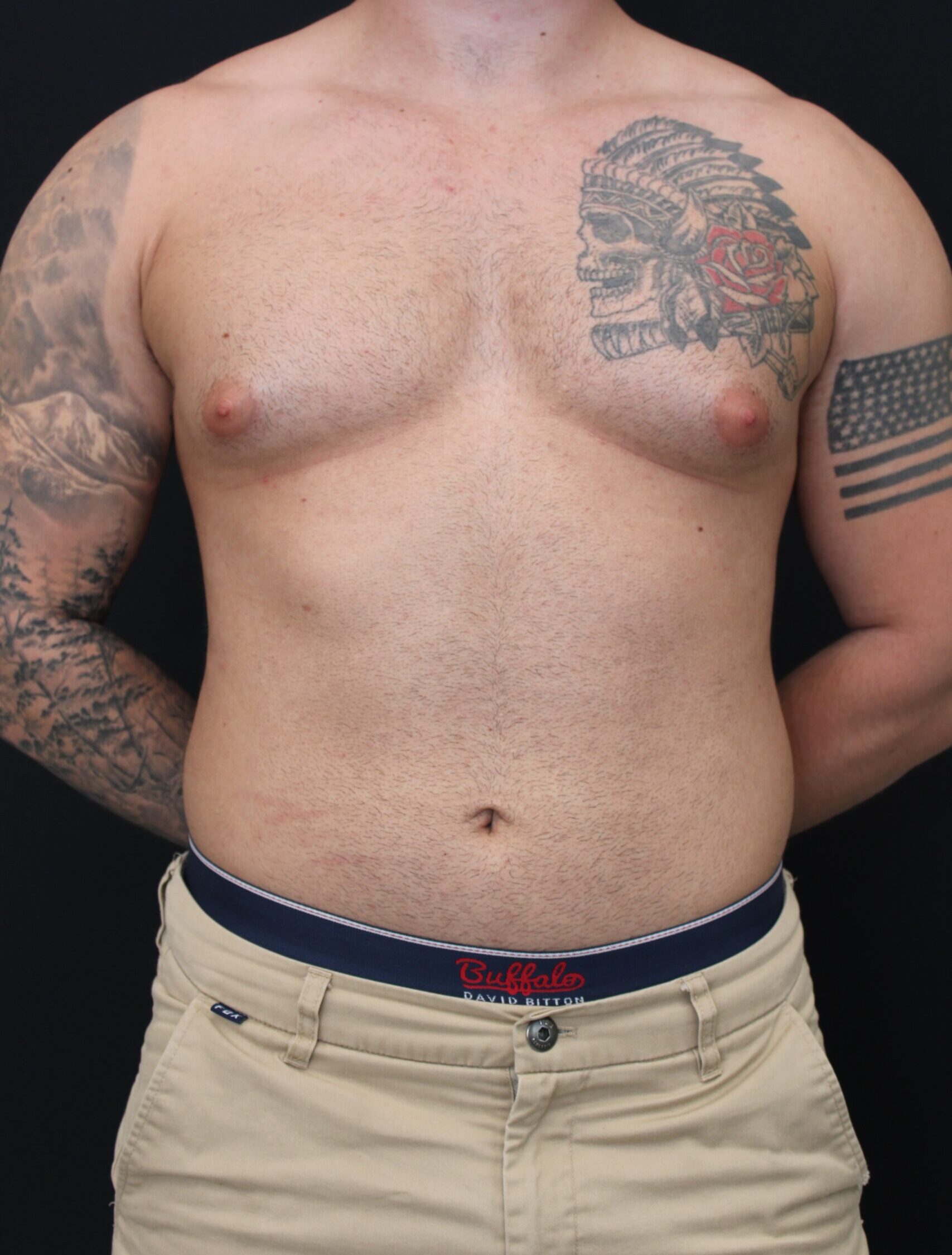
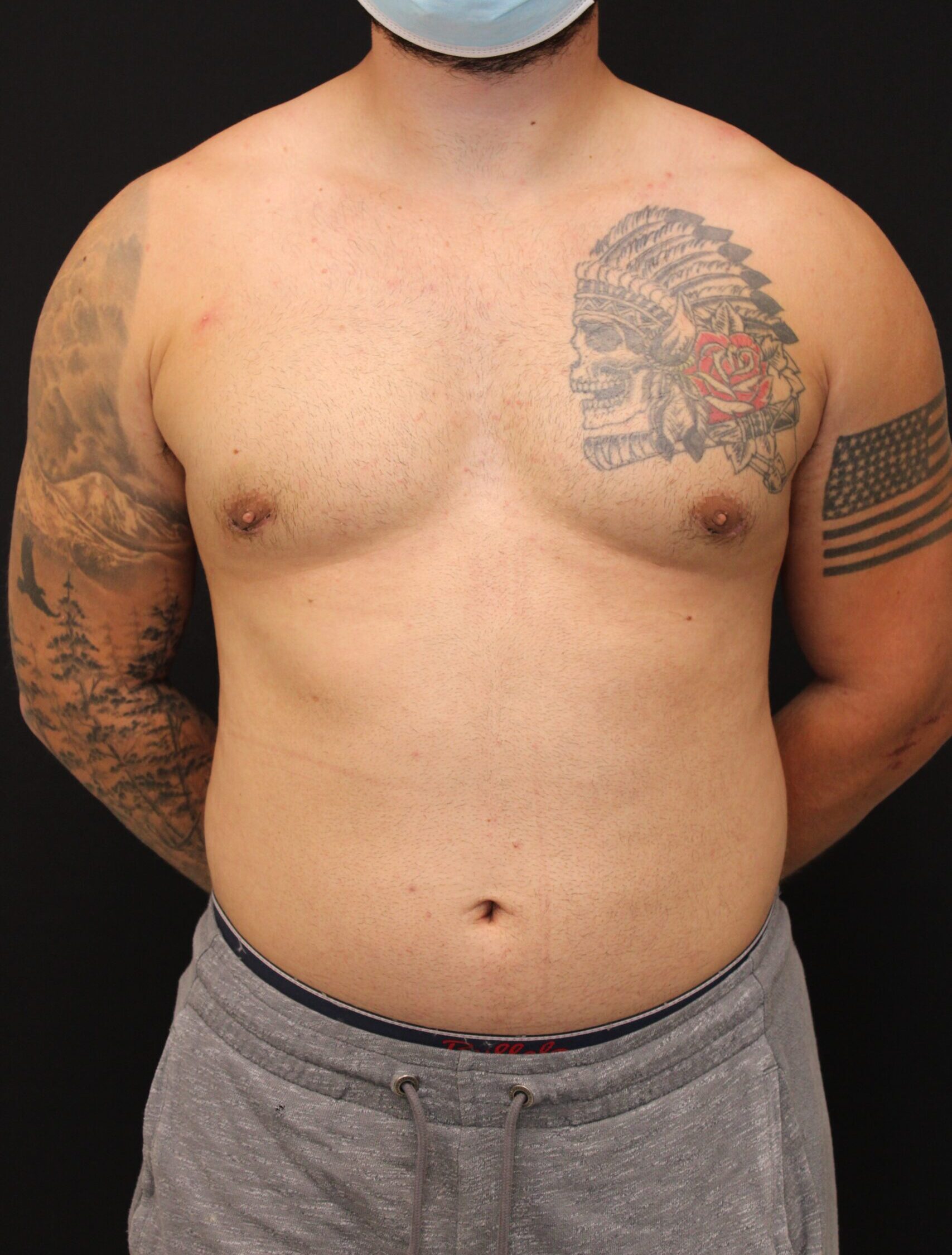
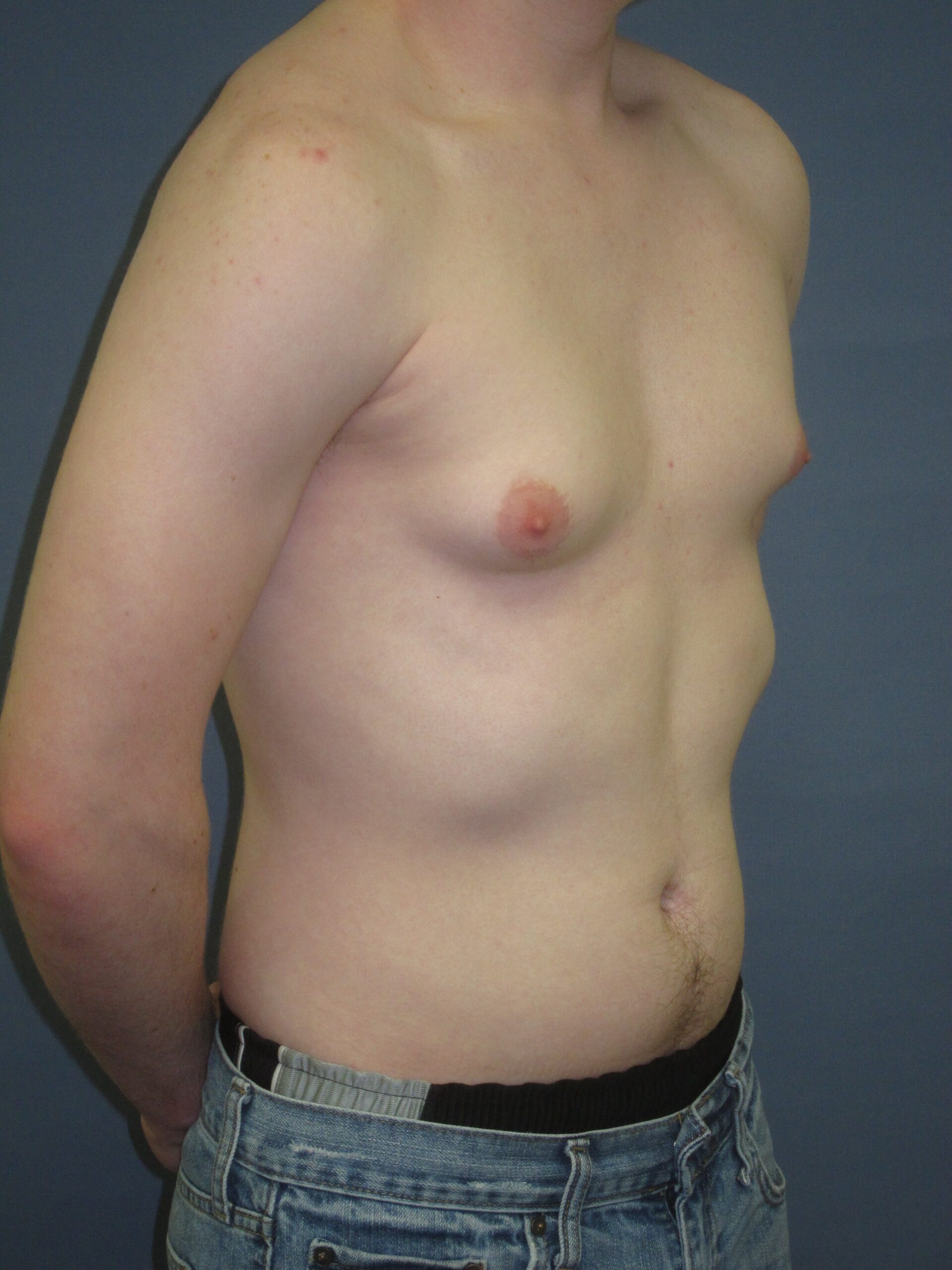
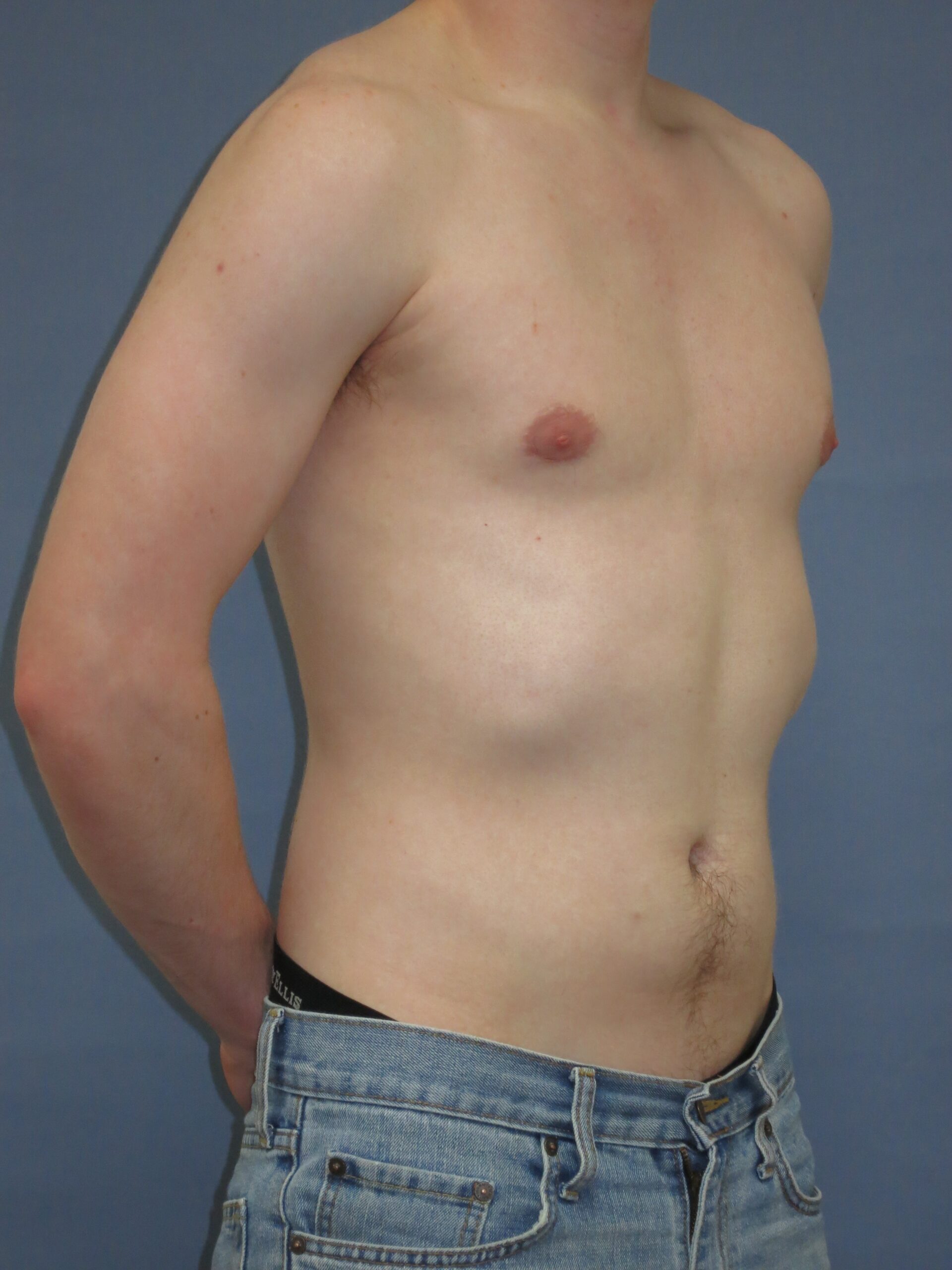
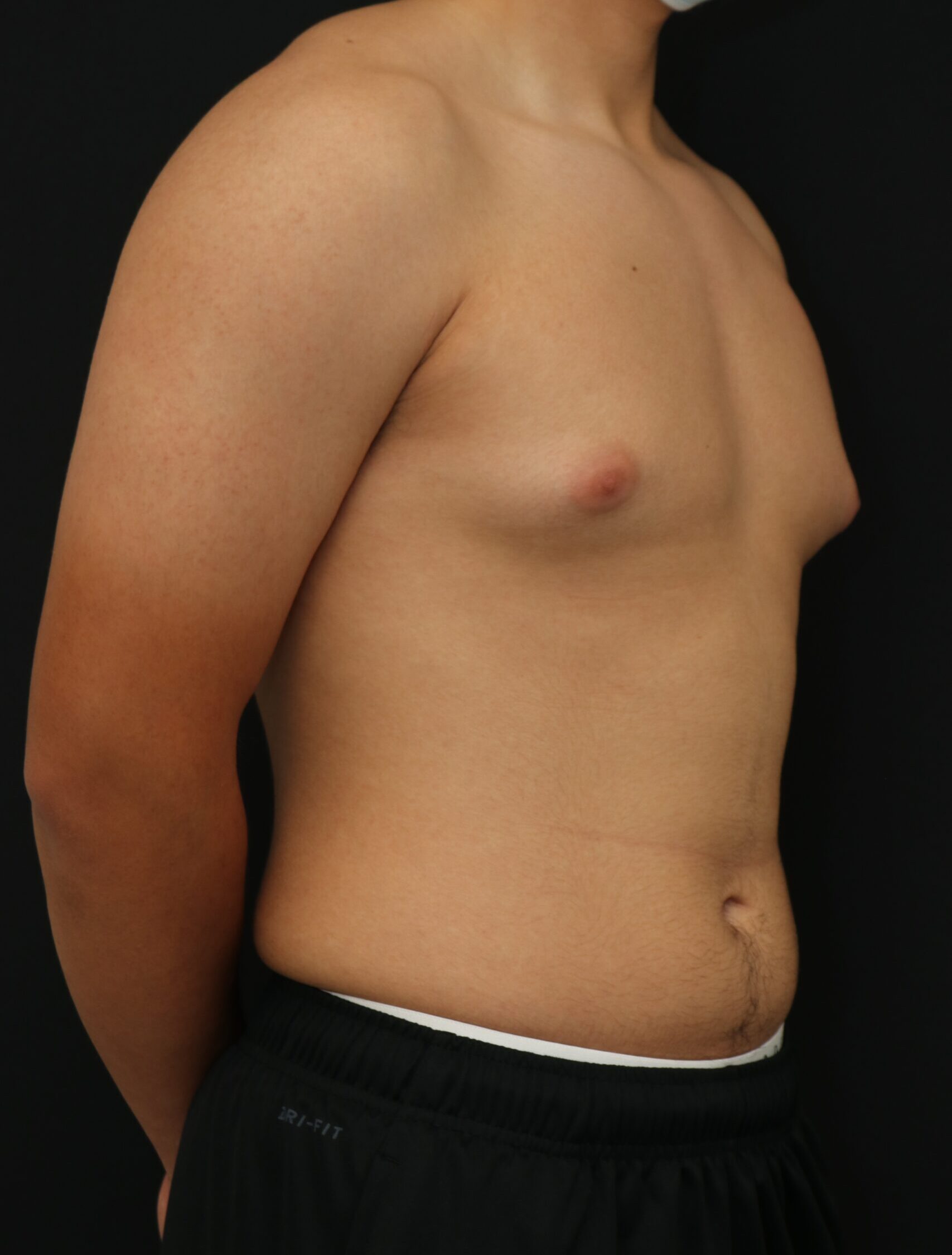
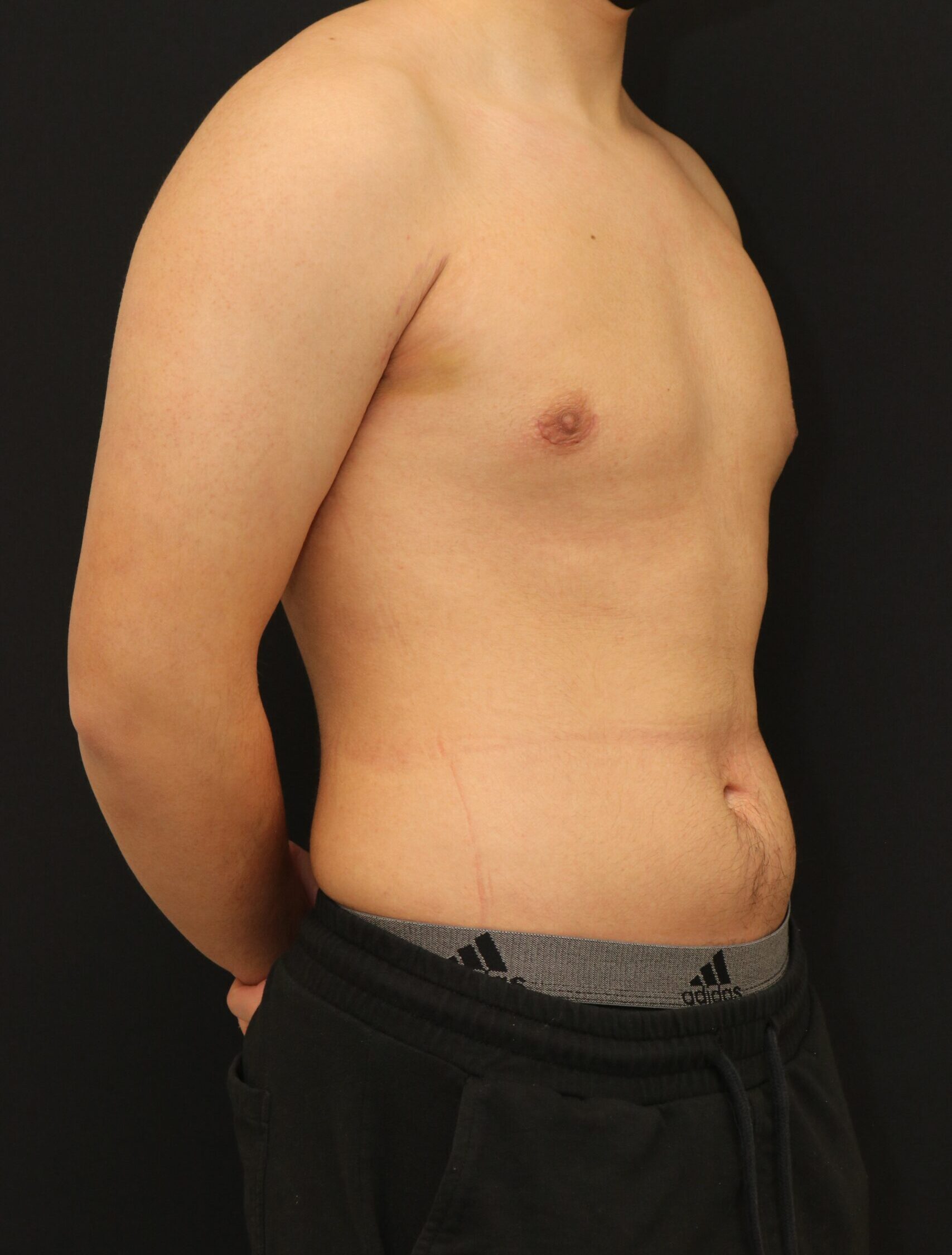
Restore confidence with male chest contouring designed to reduce excess breast tissue and create a more masculine, sculpted appearance. Performed by our board-certified plastic surgeons in a discreet, supportive environment.
Our Approach
At Plastic Surgery Northwest, we offer discreet, effective surgical treatment for gynecomastia — the enlargement of male breast tissue. Whether caused by hormones, weight changes, or medication, our board-certified surgeons provide tailored solutions to help restore a more masculine chest contour and renewed confidence.
Who is a candidate?
Men with enlarged breast tissue that doesn’t improve with diet or exercise
Individuals experiencing discomfort or self-consciousness due to chest appearance
Those seeking a long-term solution for male chest reshaping
Benefits of Gynecomastia Procedures
Flatter, firmer, more masculine chest appearance
Reduced physical discomfort or irritation
Improved confidence in clothing, sports, and daily life
Permanent results when paired with healthy lifestyle
PRocedure Details
Liposuction
Removes excess fat from the chest area.
Excision
Surgically removes glandular tissue for more severe cases.
Combined Approach
Uses both liposuction and excision for optimal results
Scar Minimization Techniques
Strategically placed incisions for discreet healing.
I had a great experience with Plastic Surgery Northwest. From the moment I walked in, the staff made me feel welcomed and well cared for. The consultation was thorough, and the surgeon answered all my questions with patience and expertise. The results exceeded my expectations, and the aftercare was top-notch. Highly recommend for anyone considering cosmetic or reconstructive procedures in Spokane.
I had a great experience with Plastic Surgery Northwest. From the moment I walked in, the staff made me feel welcomed and well cared for. The consultation was thorough, and the surgeon answered all my questions with patience and expertise. The results exceeded my expectations, and the aftercare was top-notch. Highly recommend for anyone considering cosmetic or reconstructive procedures in Spokane.
I had a great experience with Plastic Surgery Northwest. From the moment I walked in, the staff made me feel welcomed and well cared for. The consultation was thorough, and the surgeon answered all my questions with patience and expertise. The results exceeded my expectations, and the aftercare was top-notch. Highly recommend for anyone considering cosmetic or reconstructive procedures in Spokane.
The results of gynecomastia surgery are designed to be permanent. Once excess glandular tissue and fat are removed, they don’t typically return. Maintaining a stable weight and avoiding medications or substances that trigger gynecomastia can help preserve your results long-term.
Is the procedure painful?
Most patients report minimal pain after gynecomastia surgery. You may experience some soreness, swelling, or tightness in the chest for a few days, but discomfort is usually well managed with prescribed medication and improves quickly during recovery.
What are the risks and recovery expectations?
Gynecomastia surgery is generally safe when performed by a board-certified plastic surgeon, but like any surgical procedure, it carries some risks. These may include bleeding, infection, changes in nipple sensation, asymmetry, or scarring.
Most patients can return to light activities within a few days and resume normal exercise in 3–4 weeks. Swelling and bruising are common during the first week, and a compression garment is typically worn to support healing and reduce fluid buildup. Final results become more visible as swelling subsides over the following weeks.