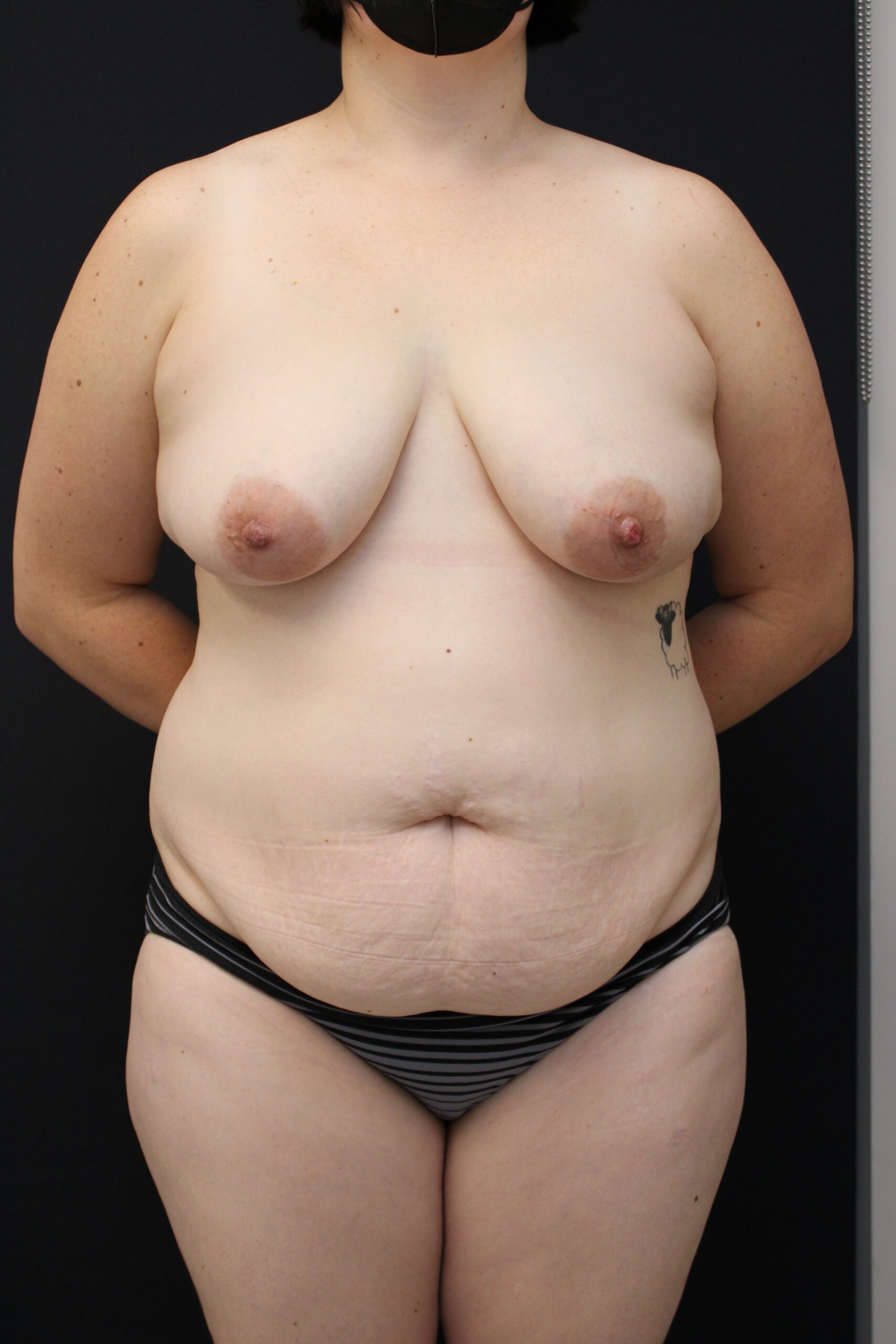
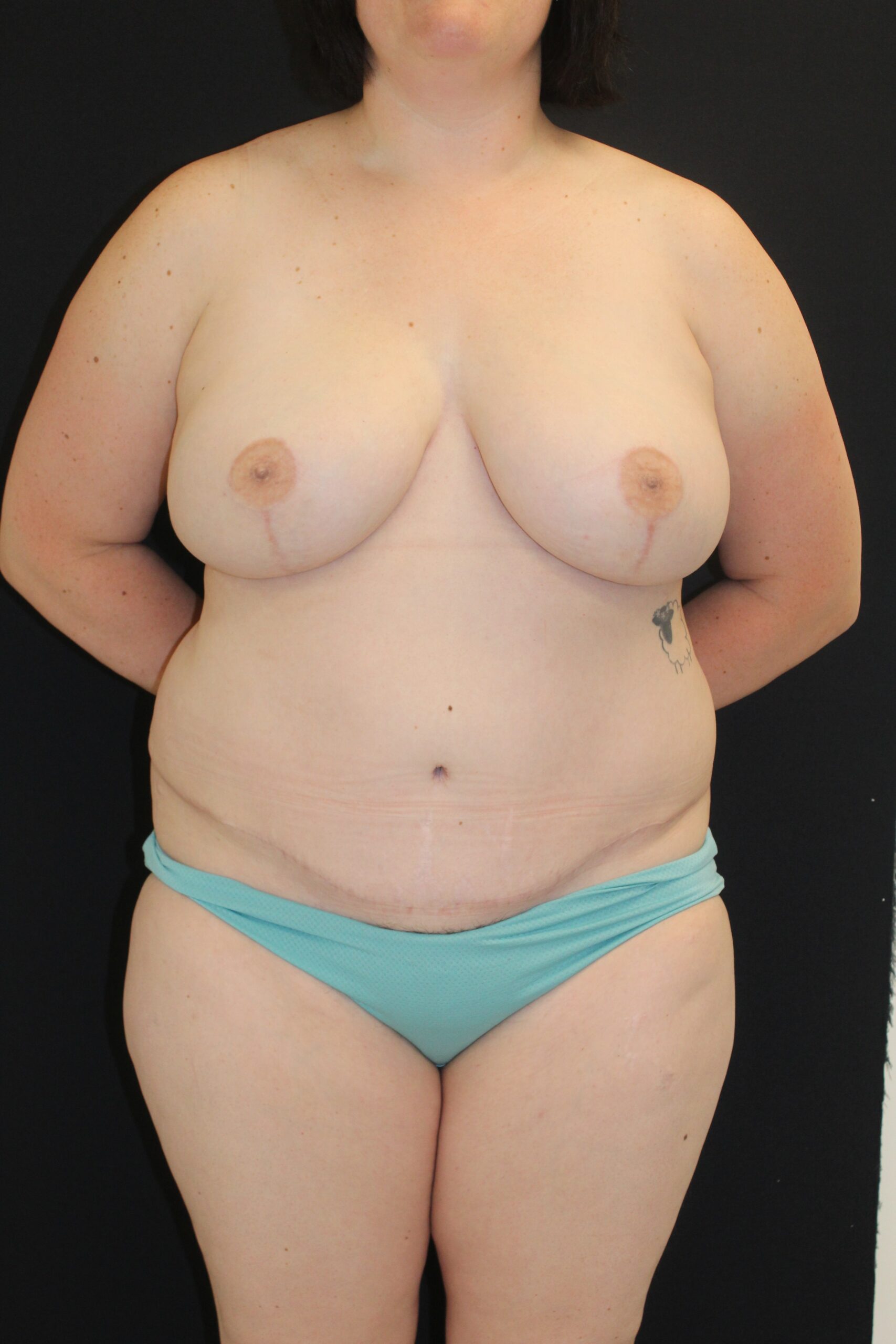
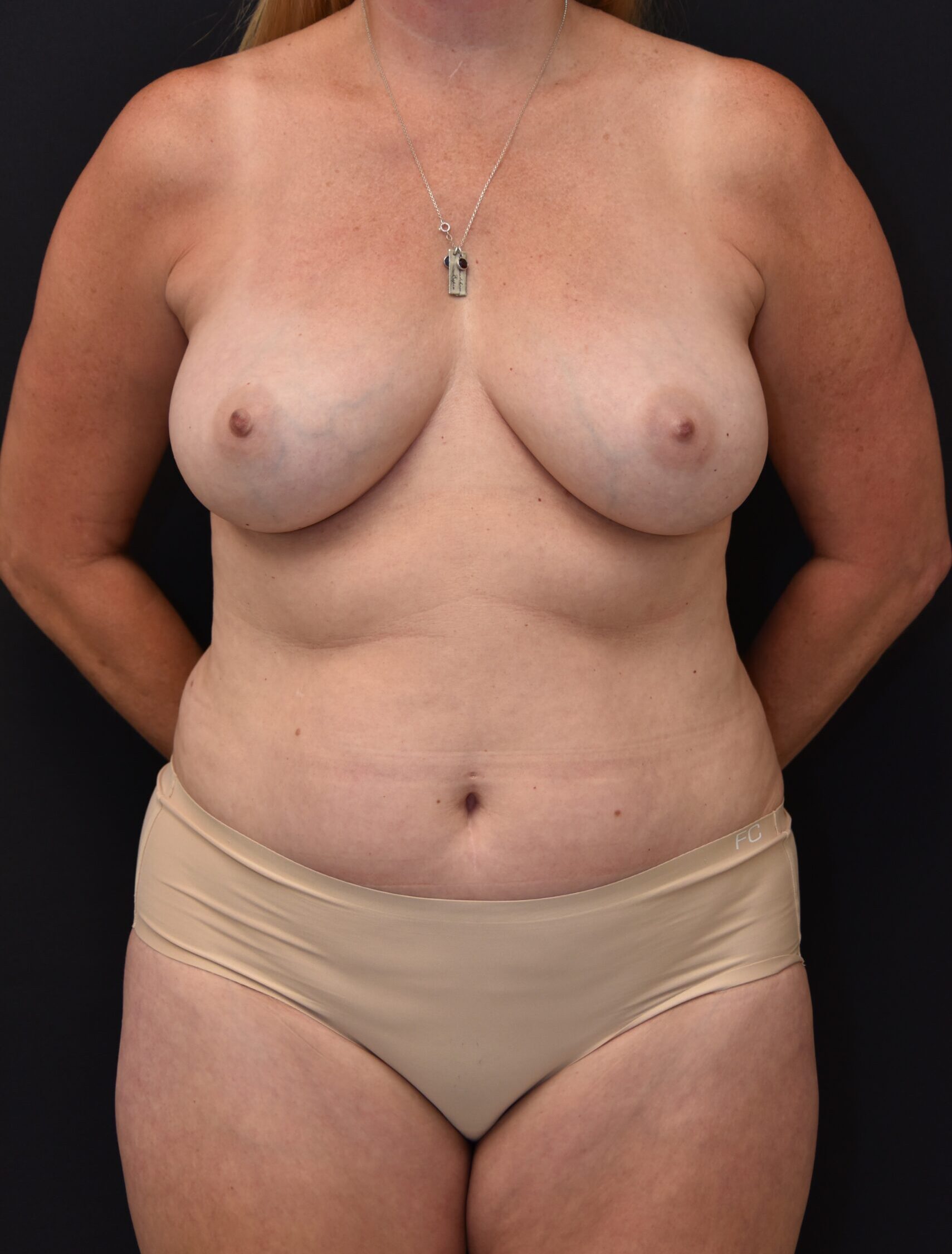
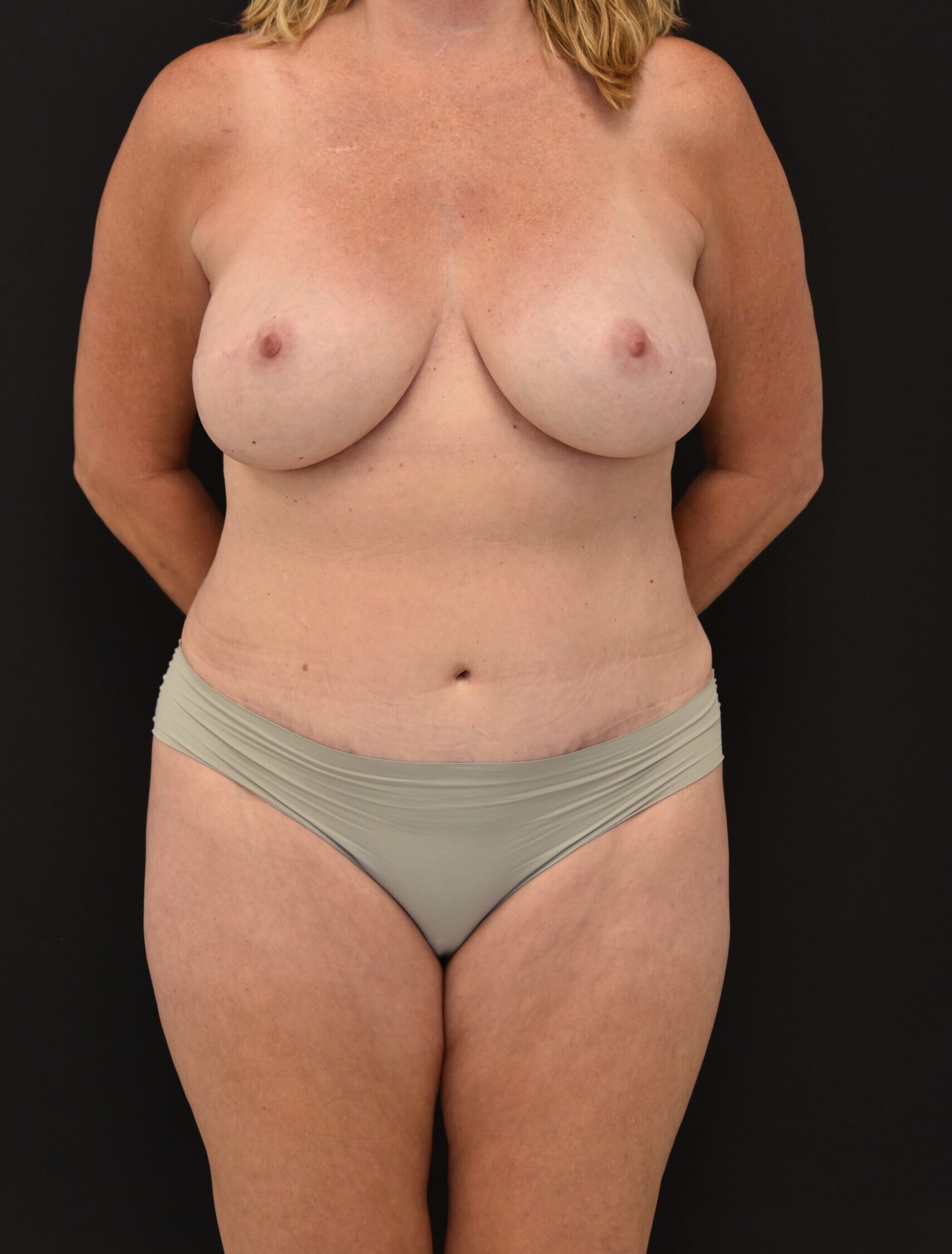
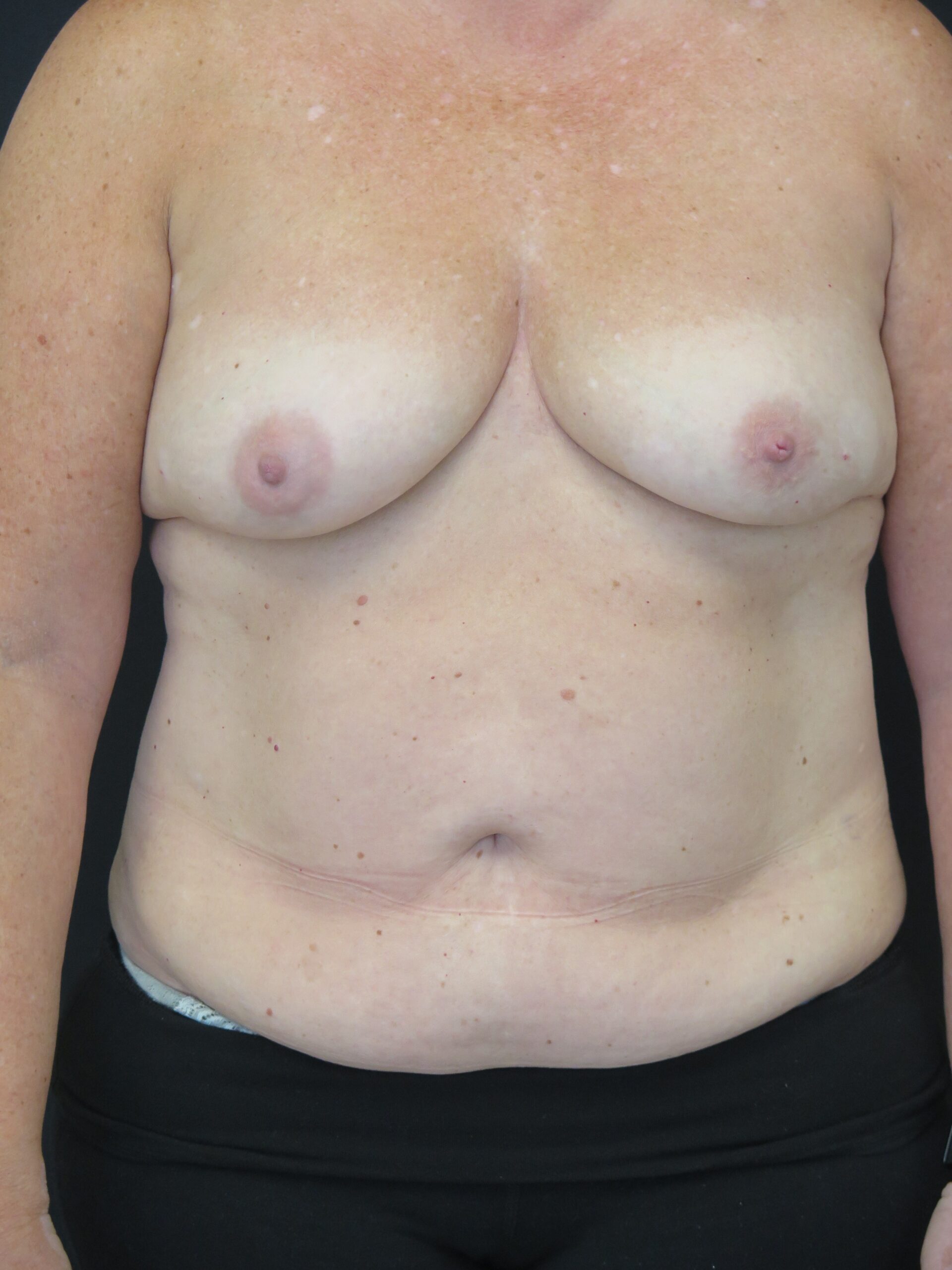
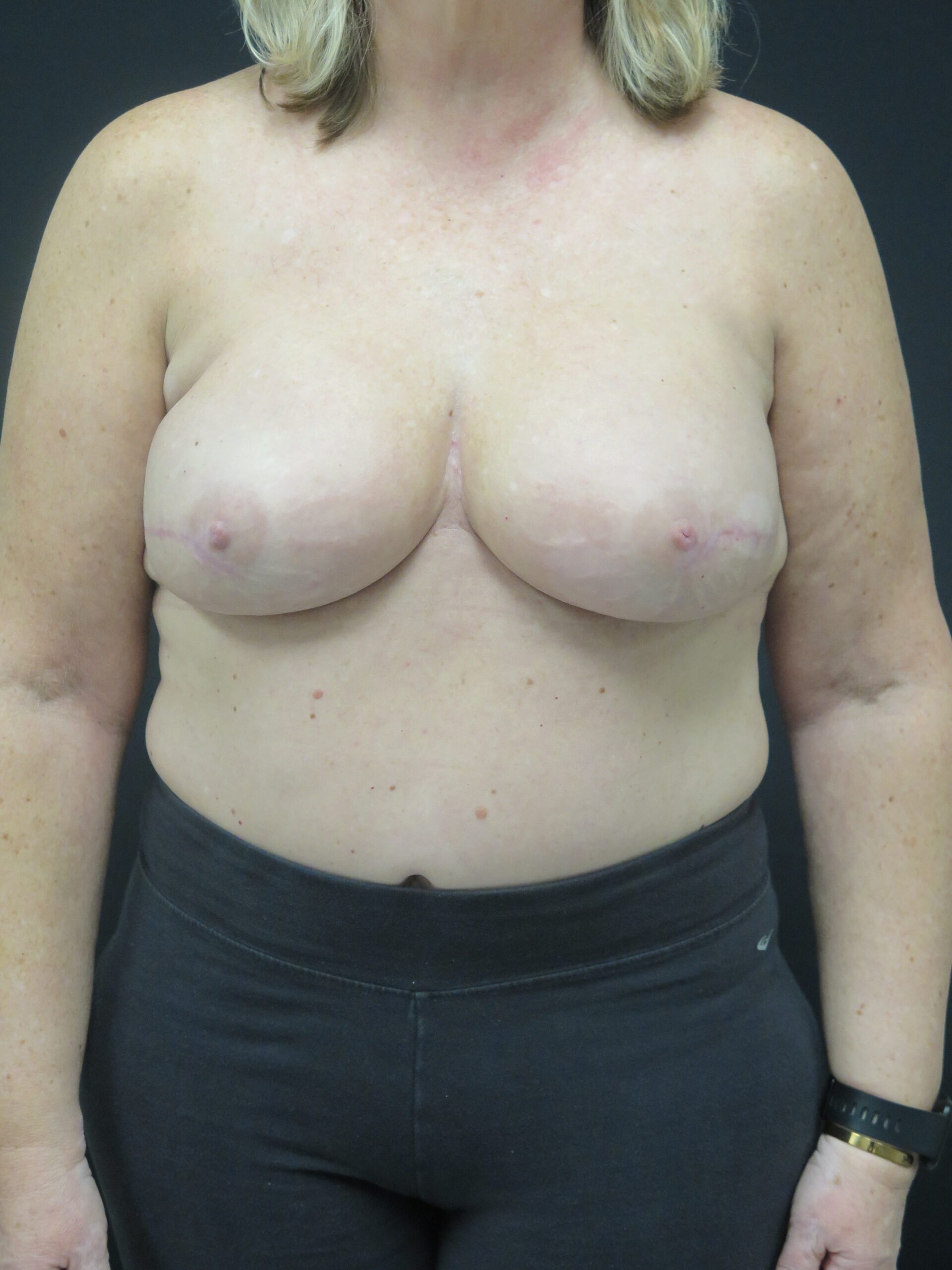
Rebuild breast shape using your body’s natural tissue for soft, lasting results. Our advanced flap techniques offer a personalized, natural-feeling alternative to implants after mastectomy.
Our Approach
Plastic Surgery Northwest is proud to be a high-volume, nationally recognized center for tissue-based breast reconstruction. Our surgeons are experts in advanced flap techniques that use your own tissue to restore natural, long-lasting breast shape following mastectomy.
Flaps Performed
0
Who is a candidate?
Patients seeking a natural alternative to implants
Women with sufficient donor tissue (abdomen, thigh, buttock, or back)
Individuals who’ve had radiation or complications from previous implants
Benefits of Tissue Reconstruction
Natural look and feel using your own tissue
No risk of implant rupture or capsular contracture
Long-lasting results with minimal maintenance
Can improve abdominal contour in DIEP procedures
Treatment Options
DIEP Flap
Uses abdominal skin and fat while preserving muscle
TUG Flap
Tissue from inner thigh for smaller reconstructions
TRAM Flap
Muscle-sparing or full flap based on anatomy
Latissimus Dorsi Flap
Back tissue used in combination with or without implant
I had a great experience with Plastic Surgery Northwest. From the moment I walked in, the staff made me feel welcomed and well cared for. The consultation was thorough, and the surgeon answered all my questions with patience and expertise. The results exceeded my expectations, and the aftercare was top-notch. Highly recommend for anyone considering cosmetic or reconstructive procedures in Spokane.
I had a great experience with Plastic Surgery Northwest. From the moment I walked in, the staff made me feel welcomed and well cared for. The consultation was thorough, and the surgeon answered all my questions with patience and expertise. The results exceeded my expectations, and the aftercare was top-notch. Highly recommend for anyone considering cosmetic or reconstructive procedures in Spokane.
I had a great experience with Plastic Surgery Northwest. From the moment I walked in, the staff made me feel welcomed and well cared for. The consultation was thorough, and the surgeon answered all my questions with patience and expertise. The results exceeded my expectations, and the aftercare was top-notch. Highly recommend for anyone considering cosmetic or reconstructive procedures in Spokane.
Tissue-based reconstruction uses your own skin, fat, and sometimes muscle—typically from the abdomen, thigh, or back—to rebuild the breast after mastectomy. Common techniques include DIEP, TRAM, TUG, and SGAP flaps, which offer a natural look and feel without implants.
How is it different from implant-based reconstruction?
Unlike implants, tissue-based reconstruction uses your own body tissue, which can create a more natural texture, appearance, and long-term outcome. It’s especially beneficial for patients who want to avoid implants or those who have undergone radiation therapy.
What is the recovery time for flap reconstruction?
Recovery can take 4 to 8 weeks, depending on the type of flap used. Because tissue is moved from one area of your body to another, you’ll have two surgical sites—usually the chest and donor area—which may require a bit more healing time compared to implant-based procedures.
Are the results permanent?
Yes, tissue-based reconstruction offers long-lasting, stable results. Since there’s no implant to replace, most patients won’t need future surgeries unless they choose to revise their results for cosmetic reasons.
What are the risks or complications?
Risks may include delayed healing, infection, scarring, fat necrosis, hernia, or flap failure (though rare). Our board-certified surgeons specialize in advanced microsurgical techniques to minimize complications and support safe healing and optimal outcomes.
Will I still be able to undergo cancer treatments like radiation or chemotherapy?
Yes. Your cancer team and reconstruction surgeon will coordinate your care. In many cases, tissue-based reconstruction is ideal after radiation therapy, as it tolerates radiation better than implants and helps improve skin quality.