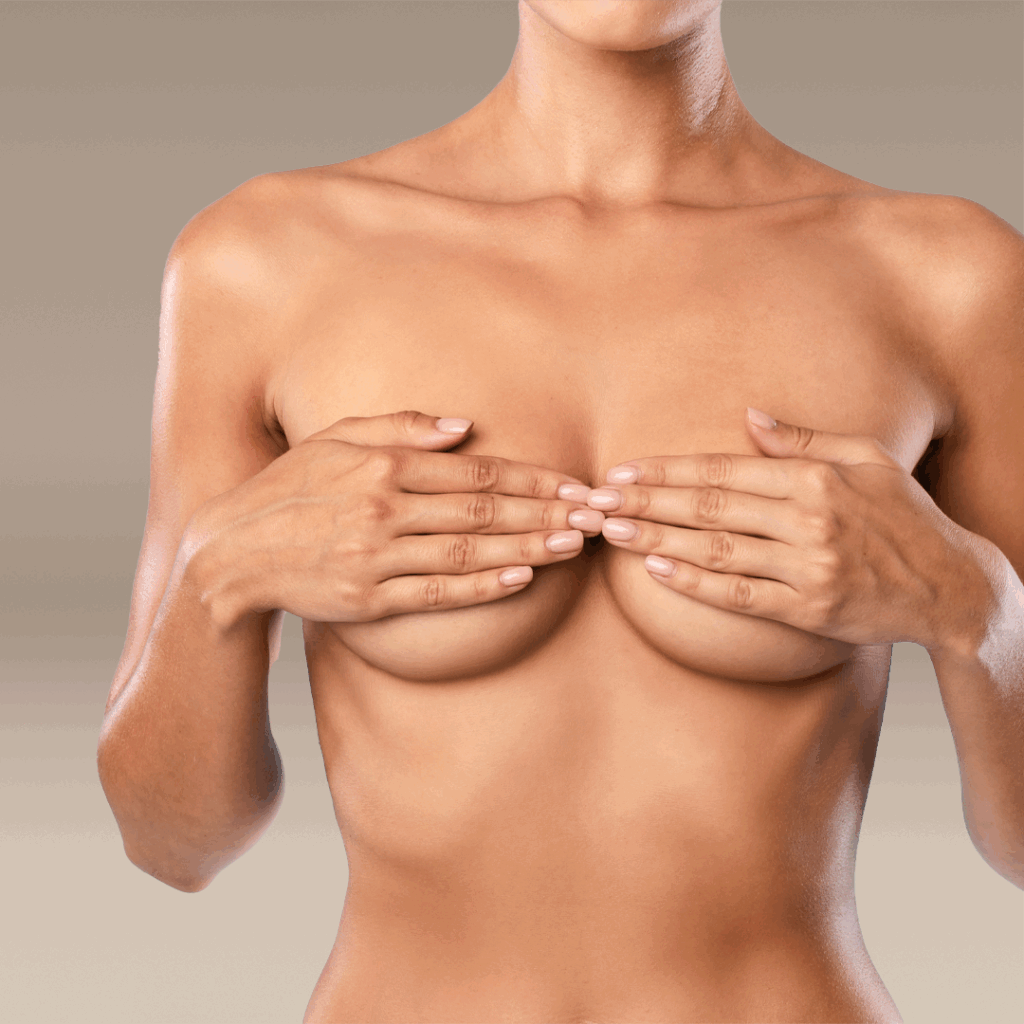
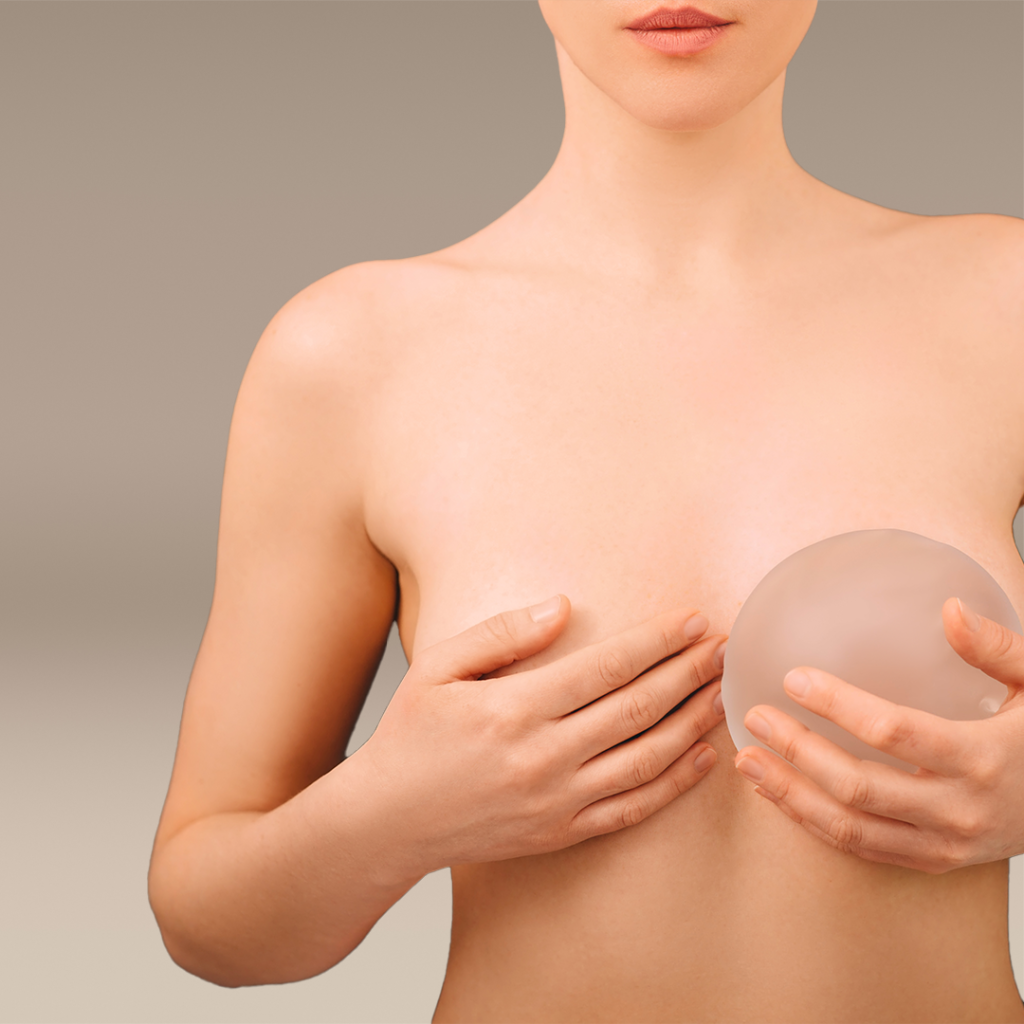
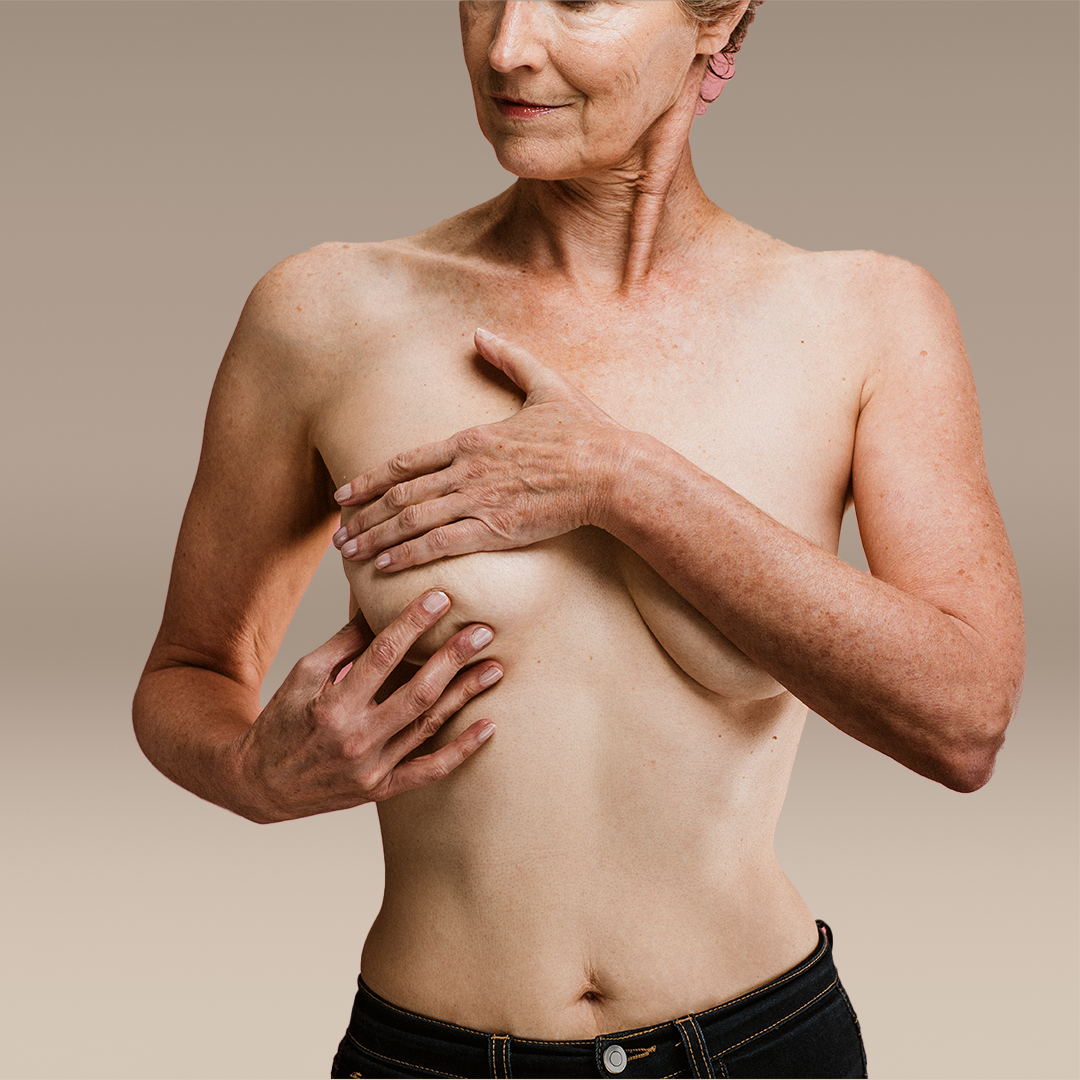
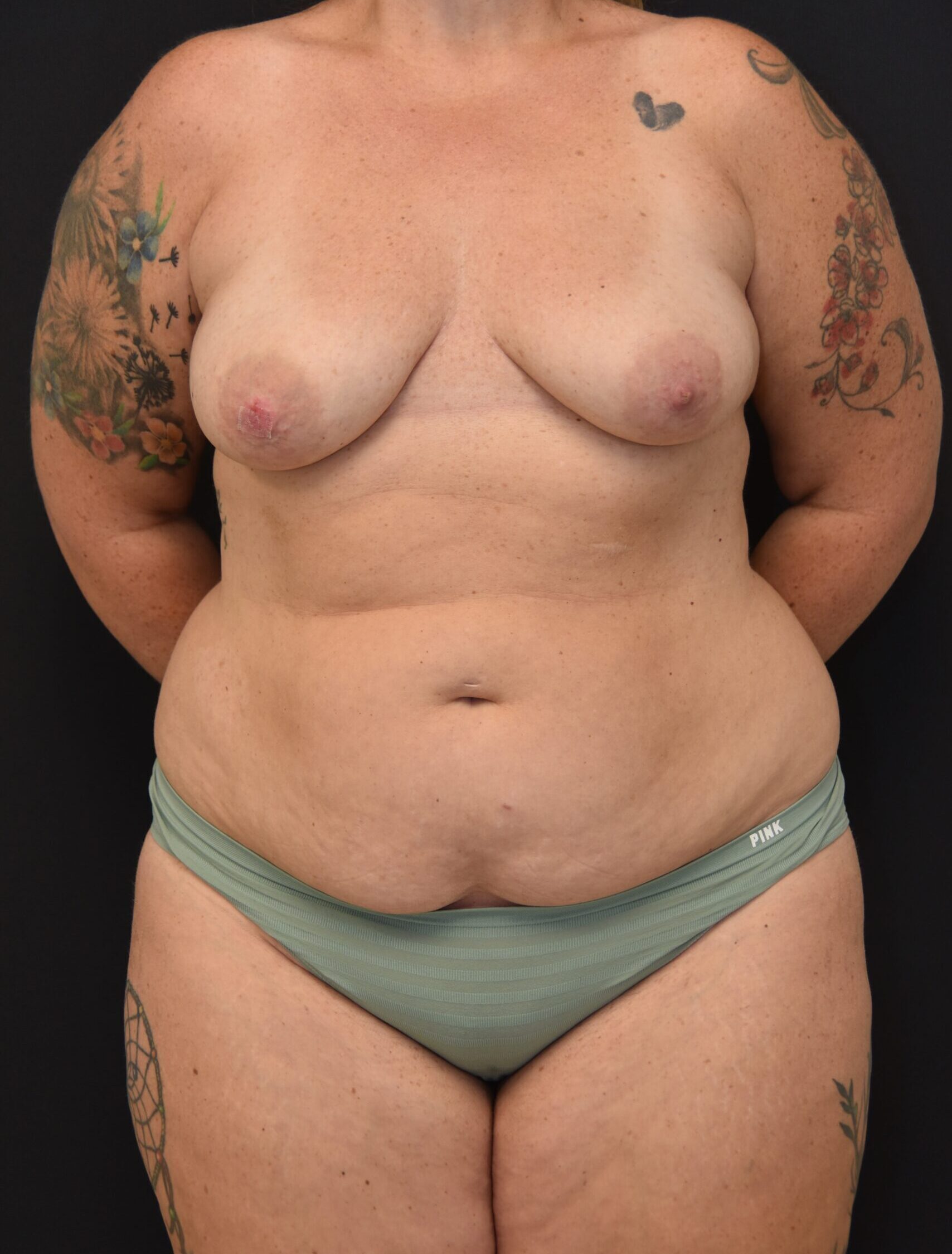
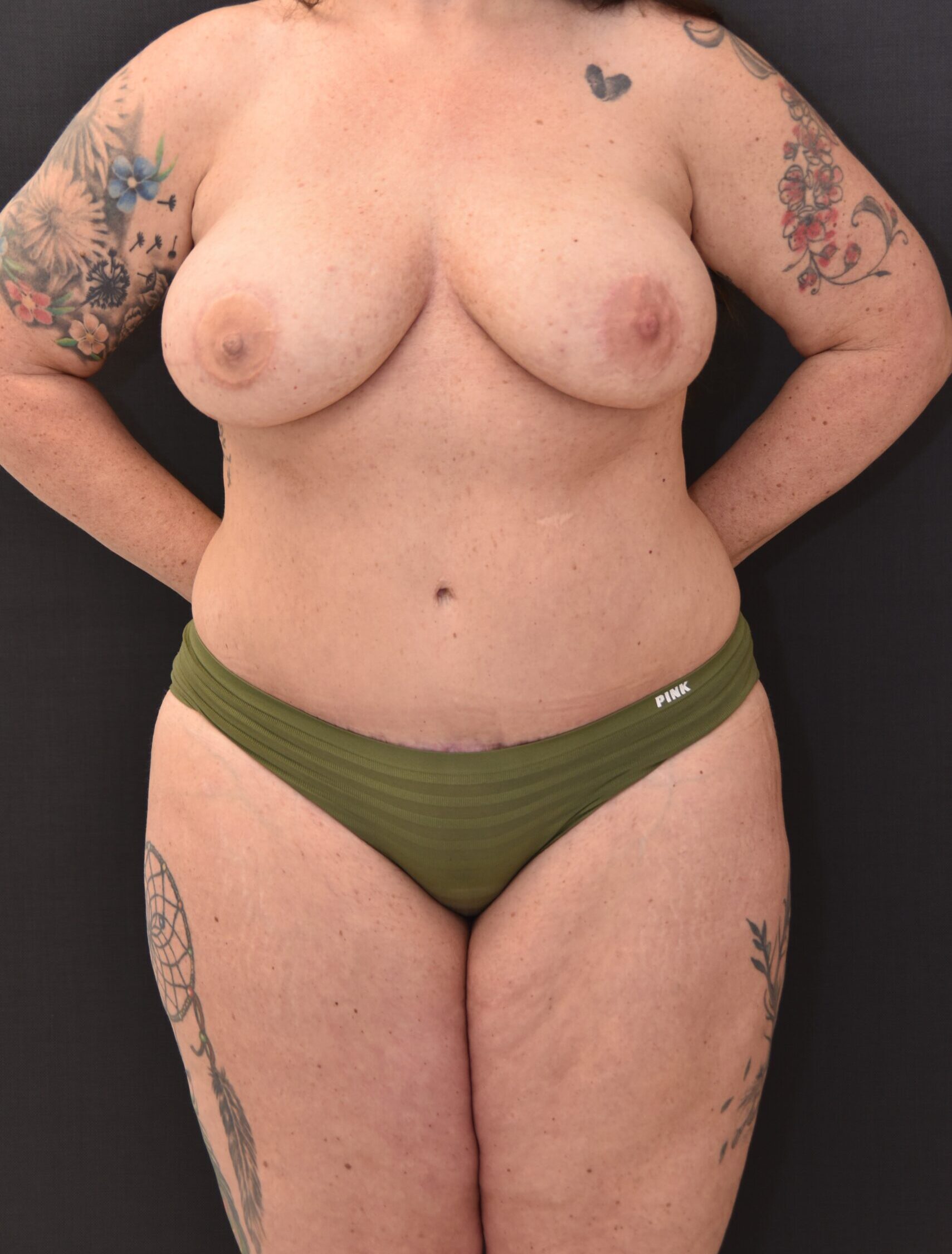
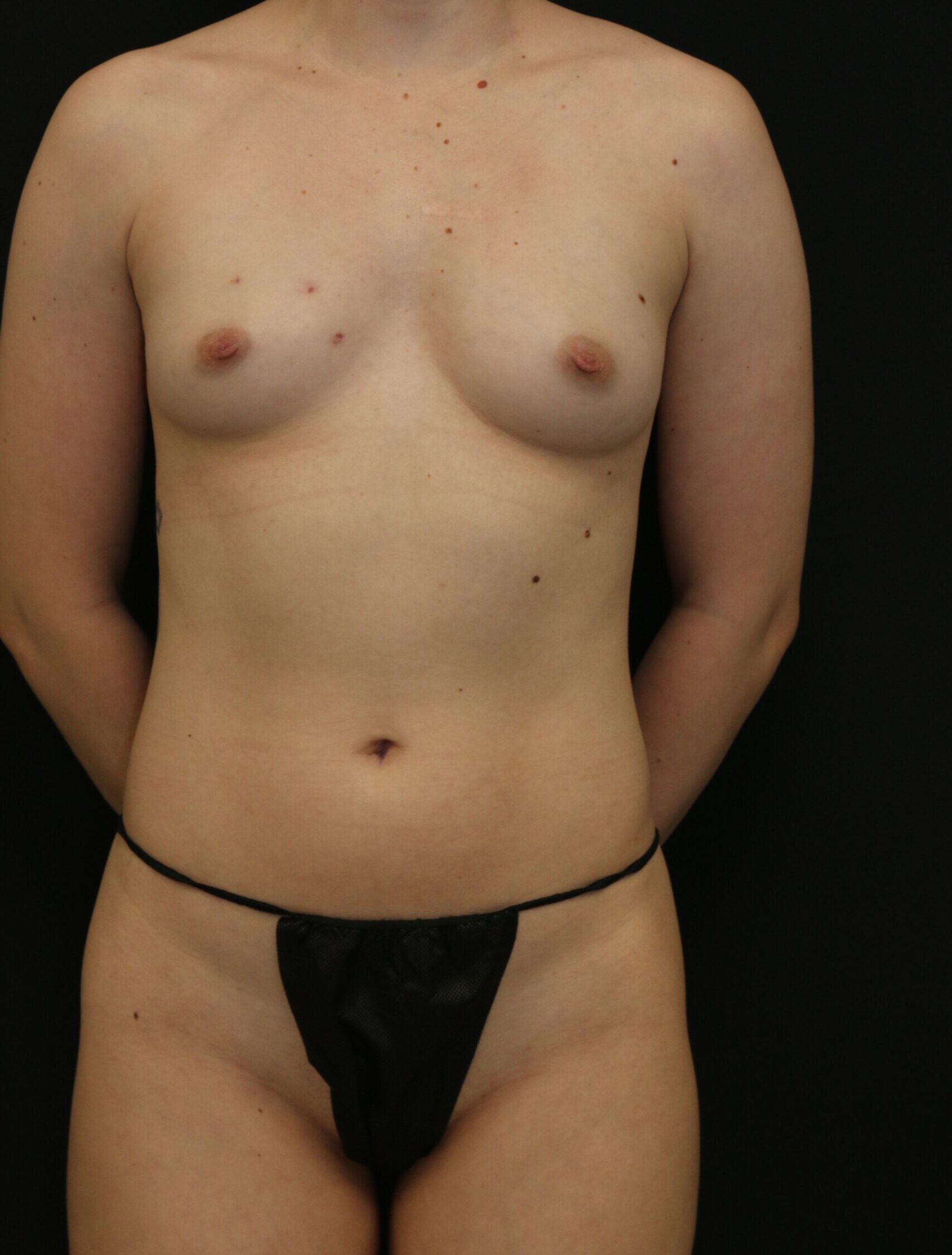
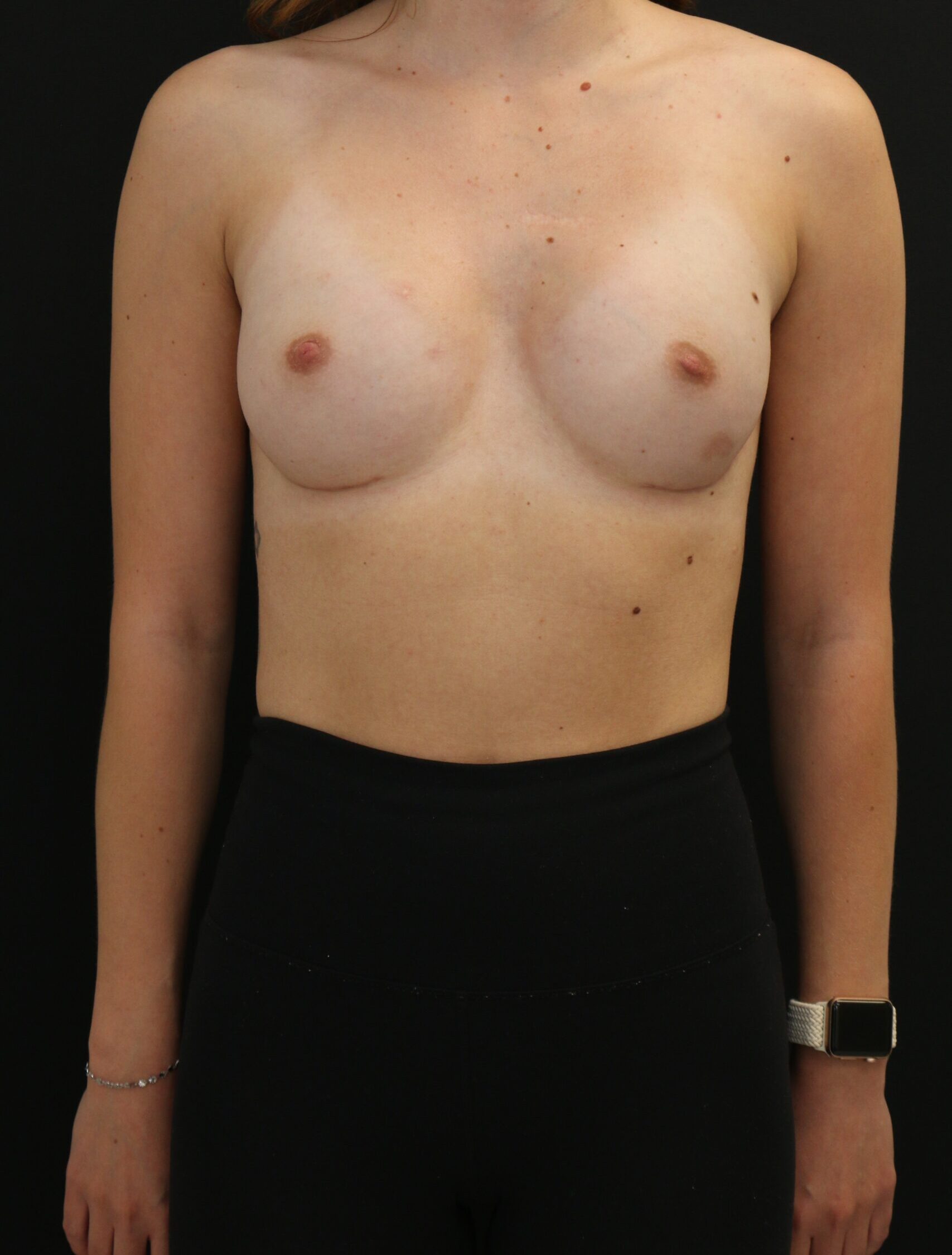
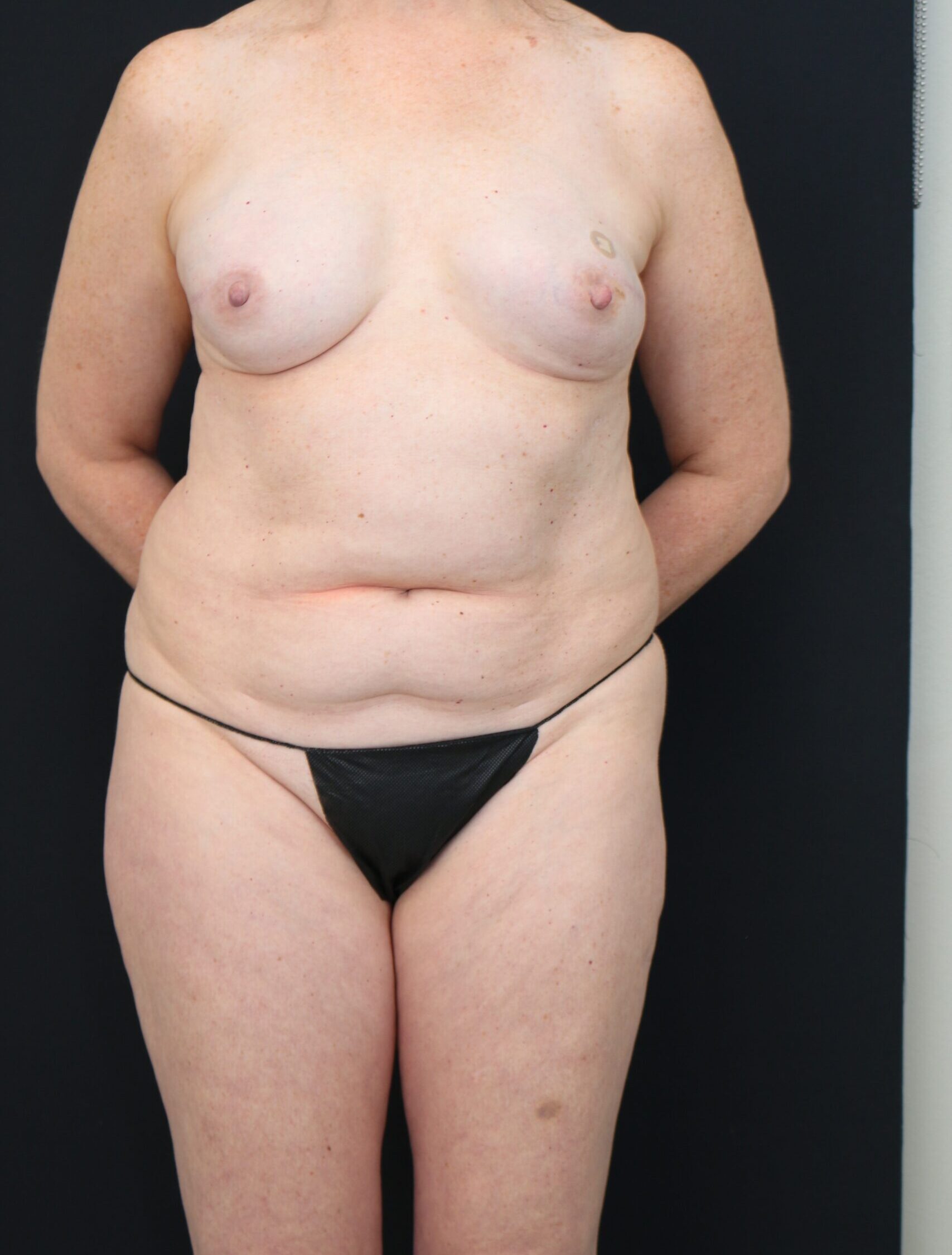
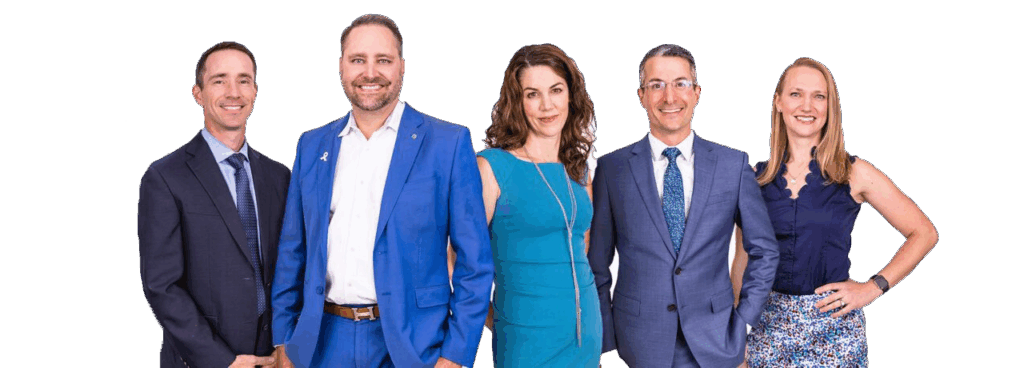
At Plastic Surgery Northwest, our board-certified surgeons specialize in advanced breast reconstruction techniques tailored to your needs and goals. Whether you’ve had a mastectomy, lumpectomy, or are seeking revision surgery, we’re here to guide and support you every step of the way.
Flaps Performed
0
Who is a candidate?
You have had a mastectomy or lumpectomy
Want to restore breast shape, symmetry, or volume
Are seeking to revise or improve prior reconstruction results
Have undergone radiation therapy and desire a natural, durable reconstruction option
Benefits of Breast Reconstruction
Restores breast shape and contour after cancer-related surgery
Helps improve body image and confidence
Provides long-term symmetry with the opposite breast
Reduces the need for external prosthetics
Covered by insurance under the Women’s Health and Cancer Rights Act
PRocedure Details
Implant-Based Reconstruction
Restores breast shape using a saline or silicone implant after mastectomy.
Tissue-Based Reconstruction (FLAP)
Rebuilds the breast using the patient’s own tissue for a more natural look and feel.
Lumpectomy Reconstruction
Reshapes the breast after lumpectomy to restore symmetry and appearance.
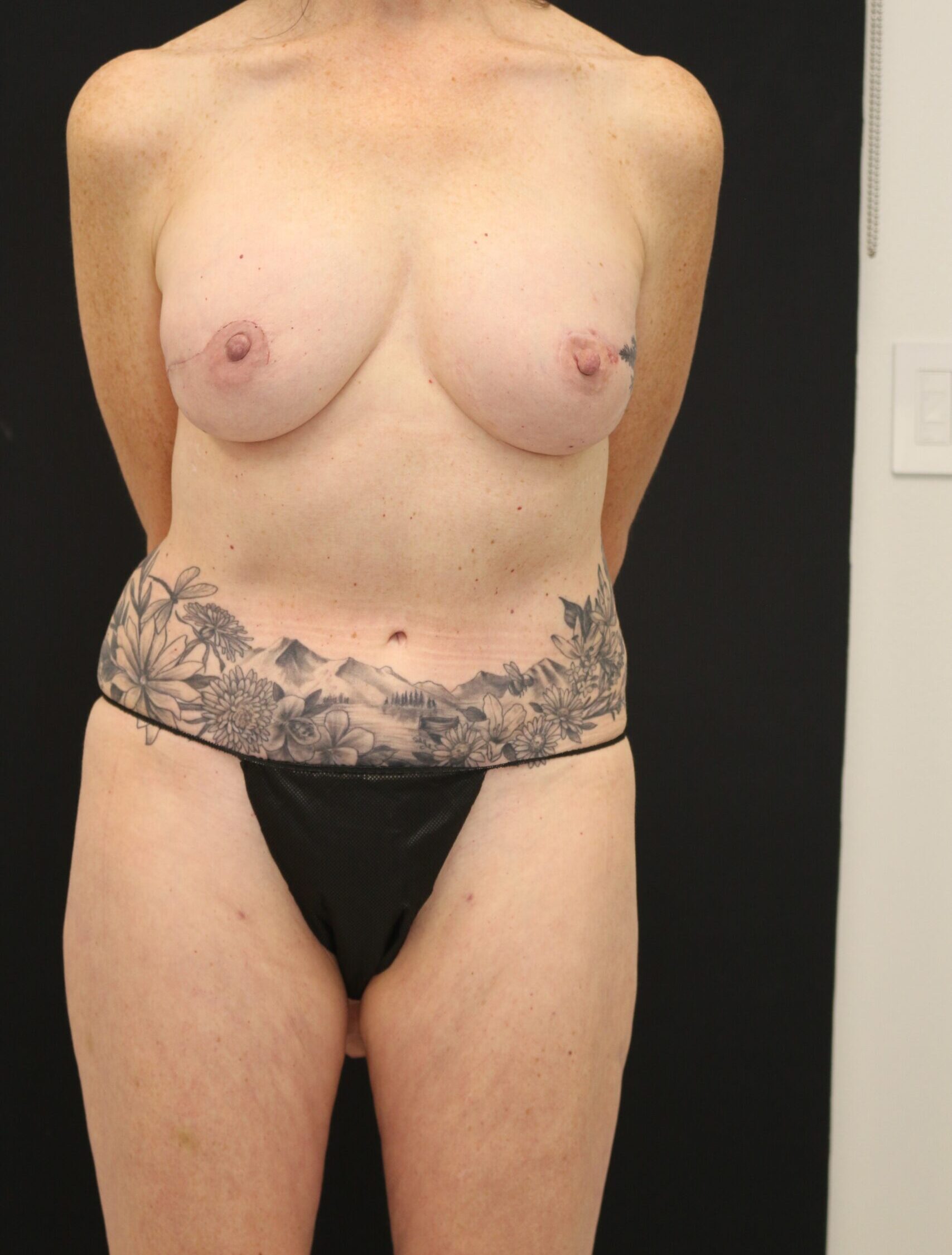
Before & Afters
Explore our gallery of transformative results from real patients. See how our board-certified surgeons have helped individuals enhance their appearance and restore confidence through personalized procedures.
I had a great experience with Plastic Surgery Northwest. From the moment I walked in, the staff made me feel welcomed and well cared for. The consultation was thorough, and the surgeon answered all my questions with patience and expertise. The results exceeded my expectations, and the aftercare was top-notch. Highly recommend for anyone considering cosmetic or reconstructive procedures in Spokane.
I had a great experience with Plastic Surgery Northwest. From the moment I walked in, the staff made me feel welcomed and well cared for. The consultation was thorough, and the surgeon answered all my questions with patience and expertise. The results exceeded my expectations, and the aftercare was top-notch. Highly recommend for anyone considering cosmetic or reconstructive procedures in Spokane.
I had a great experience with Plastic Surgery Northwest. From the moment I walked in, the staff made me feel welcomed and well cared for. The consultation was thorough, and the surgeon answered all my questions with patience and expertise. The results exceeded my expectations, and the aftercare was top-notch. Highly recommend for anyone considering cosmetic or reconstructive procedures in Spokane.
Facelift results typically turn back the clock 10 to 15 years, depending on factors like skin quality, lifestyle, and the surgical technique used. While the natural aging process continues, you’ll always look more refreshed than if you hadn’t had the procedure.
Is the procedure painful?
Most patients experience mild to moderate discomfort during the initial recovery, which is well-managed with prescribed and/or over the counter medication. Tightness, swelling, and bruising are common but temporary, and many patients are surprised by how manageable the recovery is.
What are the risks and recovery expectations?
As with any surgery, risks include bleeding, infection, scarring, or asymmetry, though complications are rare with healthy patients and experienced surgeons. Most people return to work or social activities within 10–14 days, with swelling and bruising resolving over the following weeks. Full results typically emerge within a few months as healing progresses.