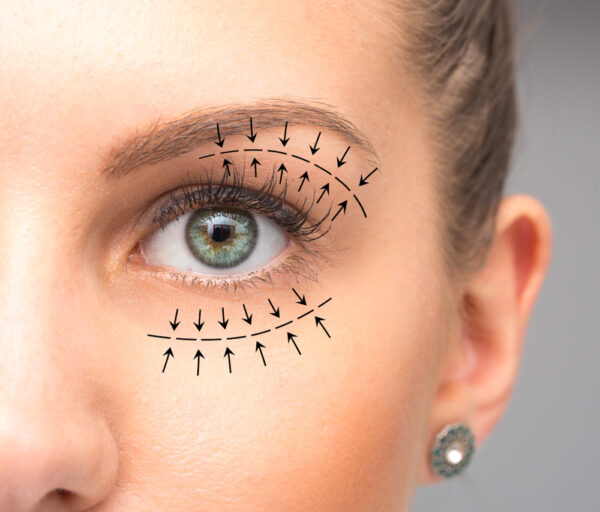
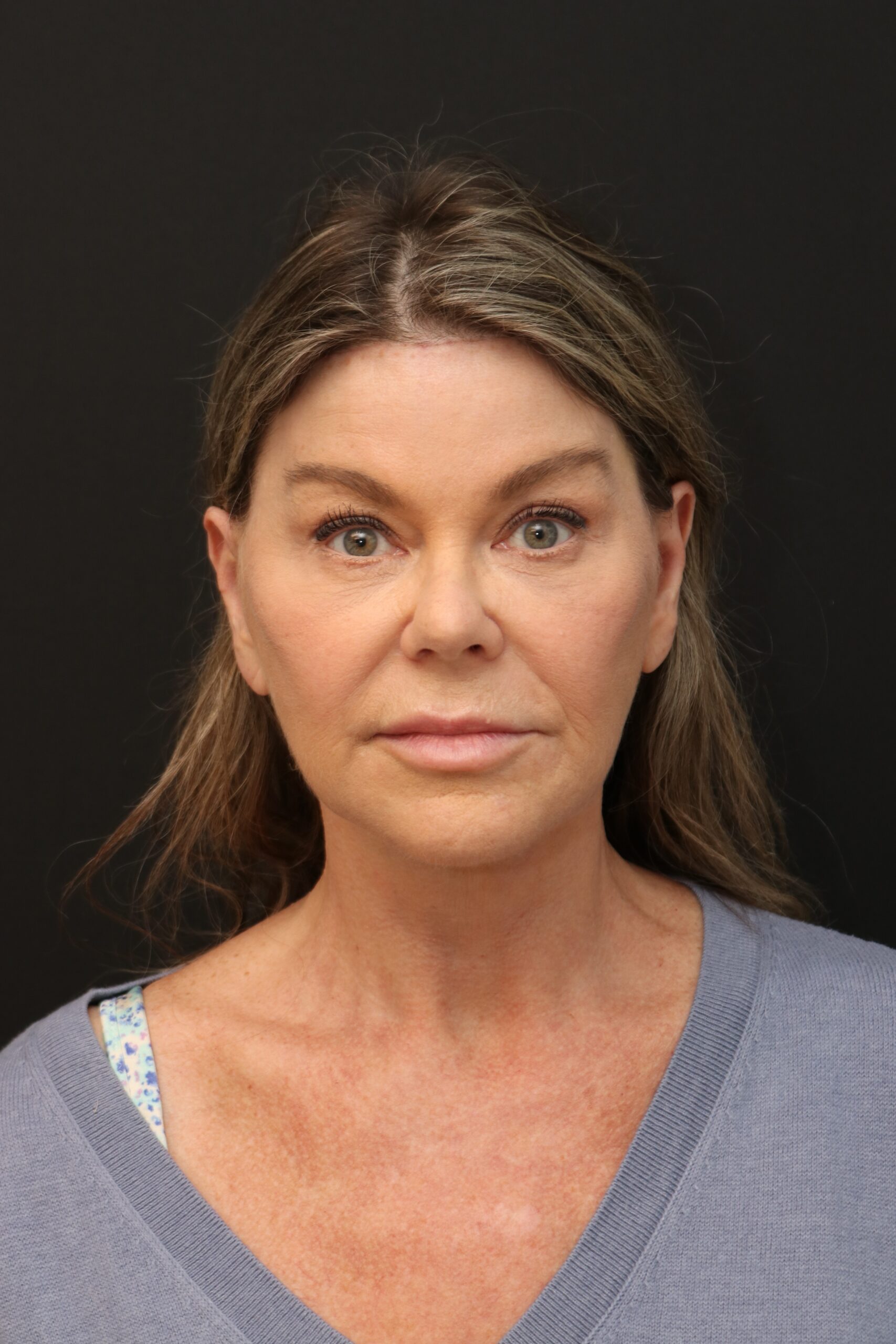
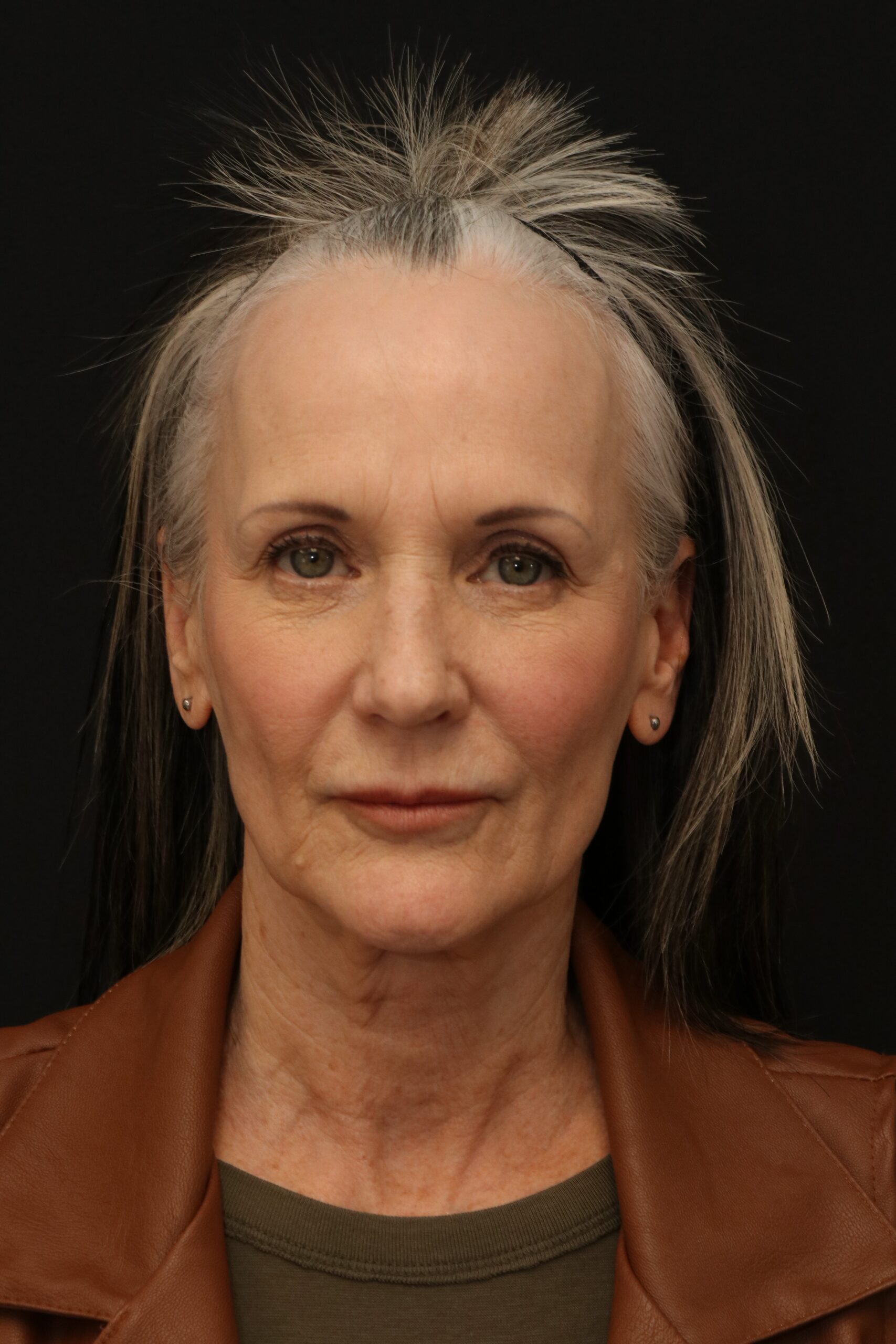
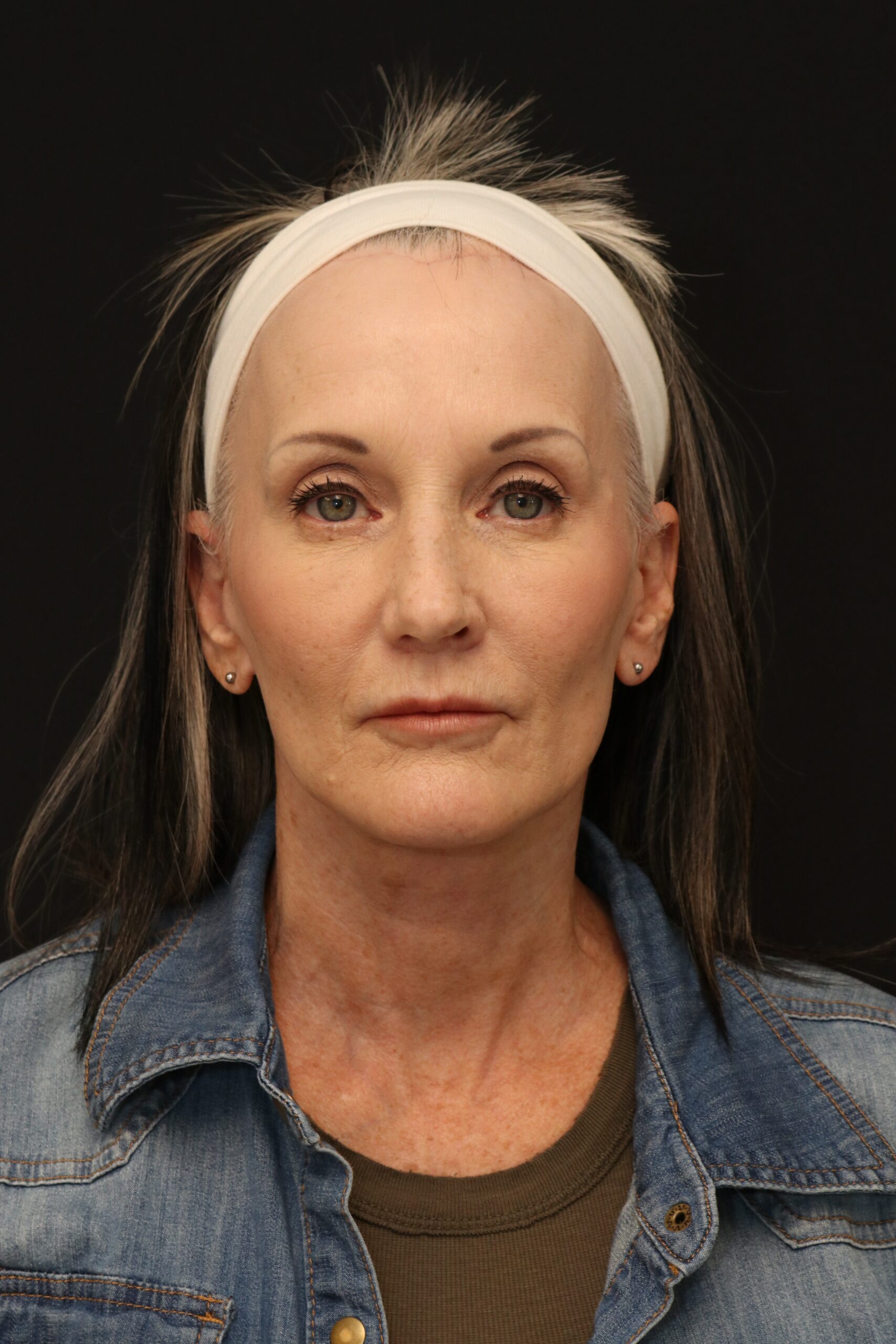
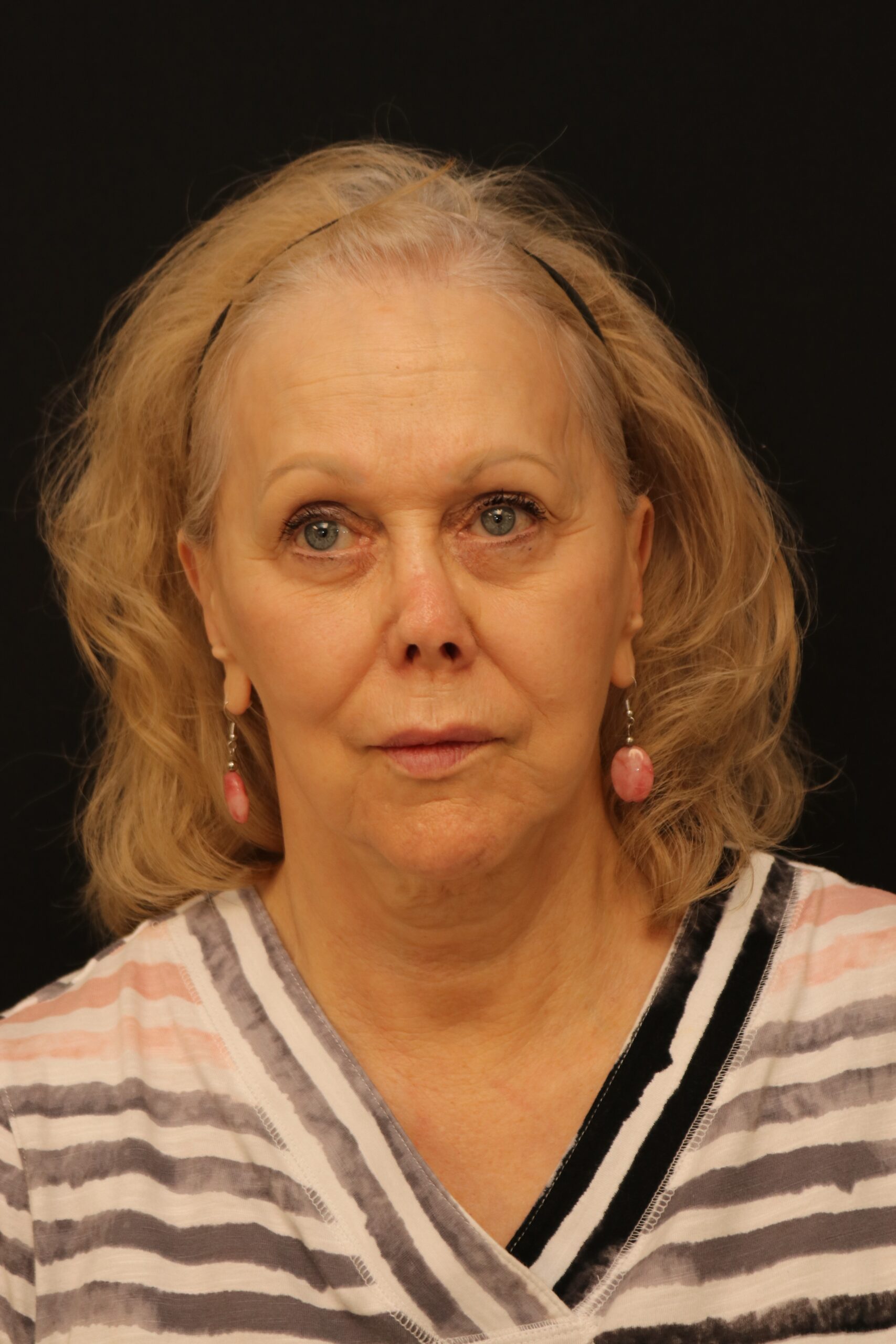
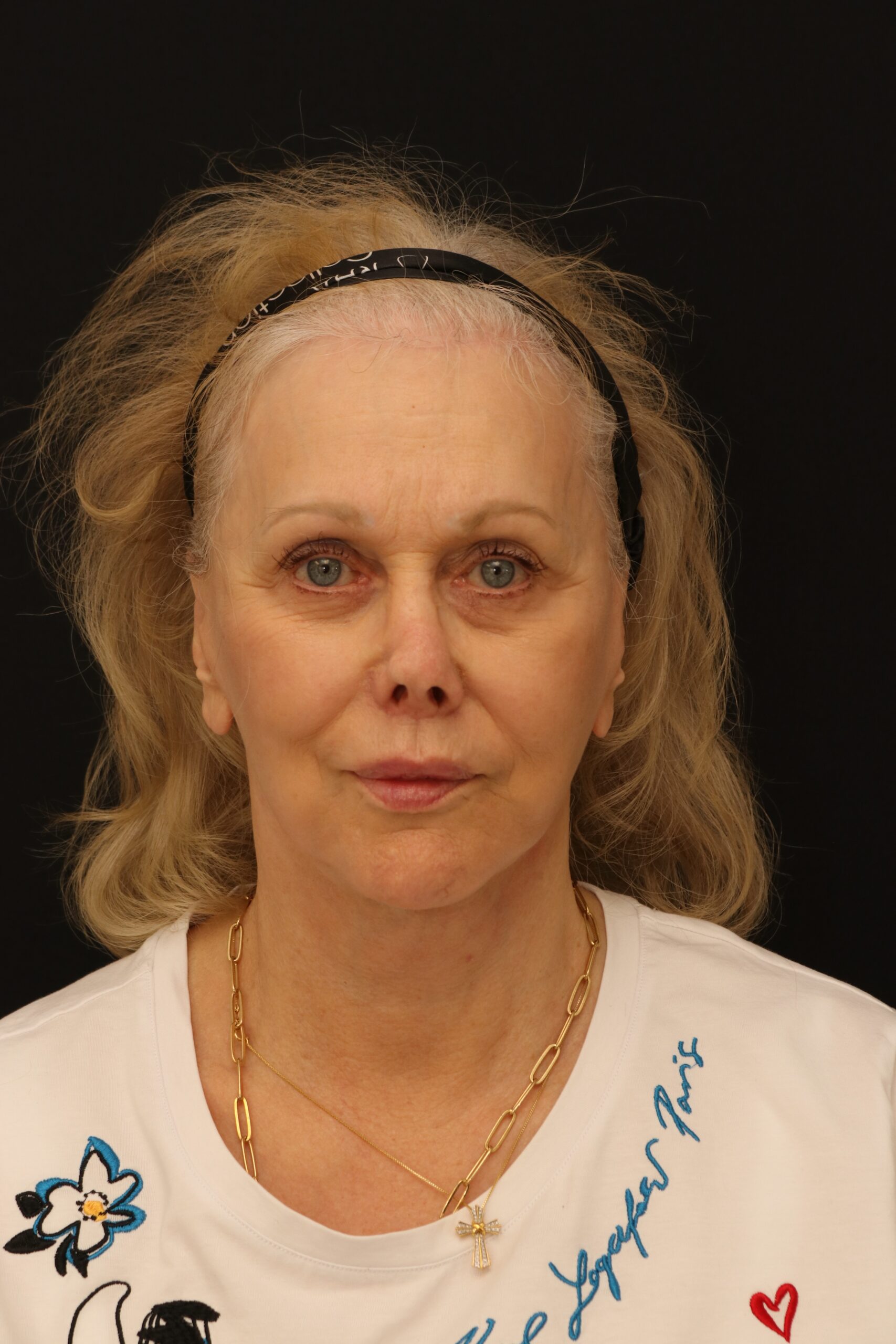
Smooth forehead lines and lift drooping brows to restore a more youthful, alert appearance. Our customized brow lift techniques create natural-looking results without an overdone look.
Our Approach
At Plastic Surgery Northwest, our board-certified plastic surgeons specialize in forehead and brow lift procedures designed to elevate sagging brows, smooth forehead wrinkles, and create a refreshed, youthful look. Using advanced techniques, we tailor each procedure to your unique facial structure for natural, long-lasting results.
Who is a candidate?
Individuals with drooping eyebrows or hooded upper eyelids
Those with deep forehead wrinkles or frown lines
Patients who want a more youthful, lifted, and refreshed appearance
Benefits of Forehead & Brow Lift
Lifts sagging brows for a more alert and youthful look
Smooths forehead wrinkles and reduces frown lines
Opens up the eye area for a refreshed and rested appearance
Treatment Options
Traditional Brow Lift
Elevates the brows and smooths forehead lines using incisions hidden in the hairline.
Endoscopic Brow Lift
A minimally invasive technique using small incisions and a camera for precise adjustments.
Temporal (Lateral) Brow Lift
Focuses on lifting the outer portion of the brows for a subtle, natural lift.
Non-Surgical Brow Lift
Uses Botox or dermal fillers to achieve a mild lifting effect without surgery.
I had a great experience with Plastic Surgery Northwest. From the moment I walked in, the staff made me feel welcomed and well cared for. The consultation was thorough, and the surgeon answered all my questions with patience and expertise. The results exceeded my expectations, and the aftercare was top-notch. Highly recommend for anyone considering cosmetic or reconstructive procedures in Spokane.
I had a great experience with Plastic Surgery Northwest. From the moment I walked in, the staff made me feel welcomed and well cared for. The consultation was thorough, and the surgeon answered all my questions with patience and expertise. The results exceeded my expectations, and the aftercare was top-notch. Highly recommend for anyone considering cosmetic or reconstructive procedures in Spokane.
I had a great experience with Plastic Surgery Northwest. From the moment I walked in, the staff made me feel welcomed and well cared for. The consultation was thorough, and the surgeon answered all my questions with patience and expertise. The results exceeded my expectations, and the aftercare was top-notch. Highly recommend for anyone considering cosmetic or reconstructive procedures in Spokane.
Results from a brow lift are long-lasting, often 10–12 years or more. While the aging process continues, patients typically enjoy a refreshed and more youthful appearance for many years. Good skincare and a healthy lifestyle can help prolong your results.
What’s the difference between an endoscopic and traditional brow lift?
An endoscopic brow lift uses tiny incisions hidden in the hairline and a small camera to reposition tissues with minimal scarring and faster recovery. A traditional brow lift involves a longer incision (usually across the hairline or scalp) and is often chosen for patients with more advanced sagging, providing more dramatic results.
Is the procedure painful?
Most patients describe the procedure as uncomfortable rather than painful. You may experience tightness, swelling, or mild headache during the first week. Pain is usually well managed with prescribed medications and subsides significantly within a few days.
What are the risks and expected recovery time?
Risks include swelling, bruising, numbness around the scalp, temporary hair loss at the incision site, or asymmetry. Serious complications are rare. Most patients return to normal daily activities in about 7–10 days and resume full activity, including exercise, in 3–4 weeks. Swelling continues to improve over several weeks, with final results visible after a few months.